In recent years, the buzz around local honey has been steadily growing, and for good reason. Not only does it offer a deliciously sweet addition to your culinary creations, but local honey also brings a host of nutrition benefits, supports your wellness journey, and plays a vital role in sustainability. In this blog post, we’ll explore what “local” truly means, delve into the health advantages of consuming local honey, touch upon the sustainability concerns surrounding honey production, and discover how you can help our industrious honey bees thrive.
What Does “Local” Honey Really Mean?
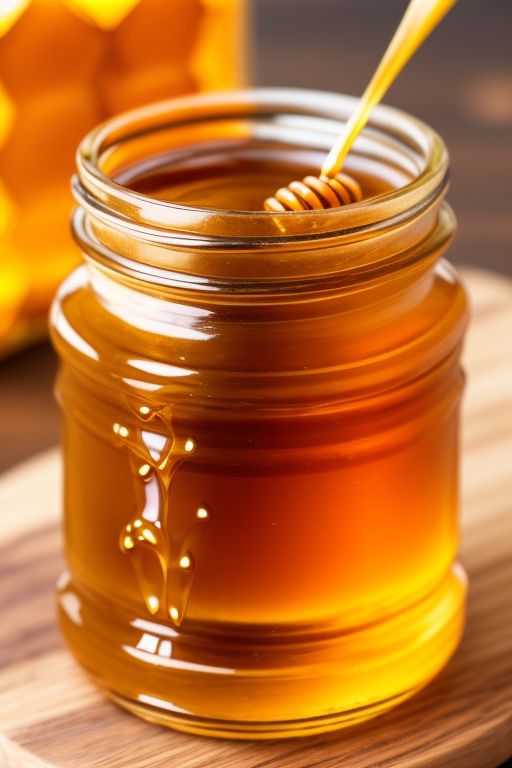
When we talk about local honey, we’re referring to honey produced by bees in hives close to where you live. The definition of “local” can vary, but generally, it means honey sourced within a 50-mile radius of your home. Opting for local honey is not just a culinary choice; it’s also an environmentally conscious one.
Nutrition Benefits of Local Honey
1. Allergy Relief: One of the most touted benefits of consuming local honey is its potential to alleviate seasonal allergies. It’s believed that consuming honey produced in your area can help your body build a tolerance to local pollen allergens, reducing your allergic response over time.
2. Antioxidants: Honey, in general, is packed with antioxidants, which can help combat oxidative stress and protect your cells from damage. The specific types of flowers that local bees forage on can influence the antioxidant profile of your local honey.
3. Healing Properties: Local honey is often used as a natural remedy for soothing sore throats and coughs. Its antimicrobial properties can help kill harmful bacteria, making it an effective, all-natural alternative to over-the-counter cough syrups.
Wellness and Local Honey
Incorporating local honey into your daily routine can offer several wellness advantages. Its natural sweetness can satisfy your sugar cravings without the same negative effects on your health. Plus, its potential allergy relief properties can make the change of seasons more enjoyable for those who suffer from allergies.
Sustainability Concerns in Honey Production
While local honey production can be more sustainable than mass-produced honey, there are still concerns to consider. Pesticide use, habitat loss, and climate change are affecting bee populations worldwide. Supporting local beekeepers who prioritize sustainable practices is crucial.
How to Help Honey Bees
1. Plant Bee-Friendly Plants: Cultivate a garden with bee-friendly plants like lavender, sunflowers, and rosemary. These plants provide food and habitat for bees.
2. Avoid Pesticides: Choose organic or bee-safe alternatives to pesticides in your gardening and lawn care routines.
3. Support Local Beekeepers: Buy honey from local beekeepers who practice ethical and sustainable beekeeping. This supports their efforts to protect honeybee populations.
4. Educate Yourself and Others: Learn about the importance of honeybees in pollinating our food supply and share this knowledge with friends and family.
Local honey isn’t just a tasty treat; it’s a powerful ally in promoting wellness, a connection to sustainability, and a way to support our vital honeybee populations. By making conscious choices and supporting local beekeepers, you can help ensure that the sweet nectar of local honey remains a part of our lives for generations to come. So, go ahead, drizzle some local honey on your morning toast or stir it into your tea—it’s a small but meaningful step toward a healthier you and a healthier planet.
The Sweet Benefits of Local Honey: Wellness, Sustainability, and Supporting Our Bee Friends
 Cooking At Home Professionally
Leave a comment