
Roux, that seemingly humble mixture of fat and flour, is a foundational element in countless classic dishes from around the world. Whether you’re whipping up a velvety béchamel sauce, a rich gumbo, or a savory gravy, understanding the nuances of roux is key to achieving culinary excellence. In this blog post, we’ll delve into the fascinating world of roux, exploring its different types, colors, variations, the role of different flours, and the choice of fats.
Types of Roux:
1. White Roux: This is the simplest type of roux, made by cooking equal parts of flour and fat until they blend into a smooth, pale paste. White roux is commonly used in white sauces like béchamel.
2. Blond Roux: Slightly more cooked than white roux, blond roux has a light tan color. It’s versatile and used in many classic sauces and gravies.
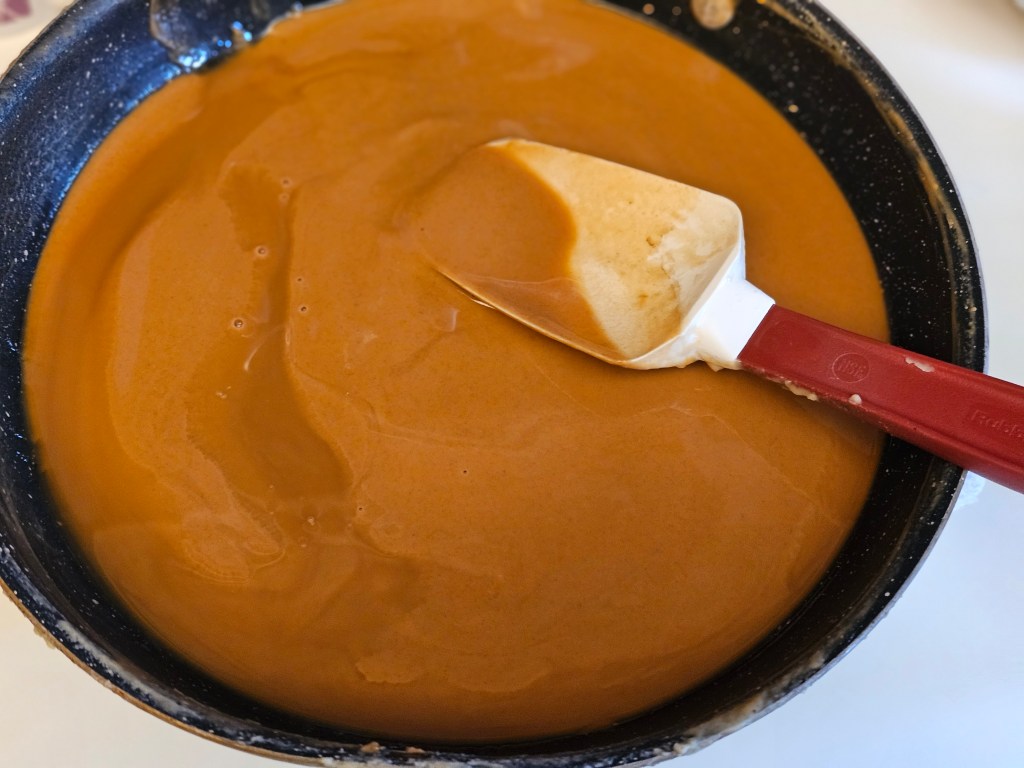
3. Brown Roux: Brown roux is cooked until it reaches a rich, deep brown color. This roux is the foundation for dark, flavorful sauces like gumbo and étouffée.
Colors of Roux:
The color of your roux greatly impacts the flavor of your dish. White roux provides a delicate, neutral base, while blond and brown roux add complexity and depth to your sauces.
Variations of Roux:
1. Creole Roux: Creole roux is a type of brown roux that’s cooked even longer, giving it a nuttier, more robust flavor. It’s often used in Creole and Cajun cuisine.
2. Rice Roux: Made from rice flour and fat, rice roux is a gluten-free alternative. It’s used in dishes where a roux is needed without gluten.
Different Flours:
The choice of flour can also influence your roux and the dishes you make with it.
1. All-Purpose Flour: The most common choice, it’s versatile and works well for most roux-based recipes.
2. Cake Flour: Finer in texture than all-purpose flour, cake flour can yield a smoother roux for delicate sauces.
3. Rice Flour: Ideal for gluten-free roux, it’s a staple in many Asian and gluten-sensitive kitchens.
Different Fats:
1. Butter: Adds a rich, creamy flavor to roux and works well in many dishes.
2. Vegetable Oil: Neutral in flavor, it’s often used for roux in dishes where a buttery taste isn’t desired.
3. Lard: Commonly used in Southern cuisine, lard can create a unique, savory roux.
Ratios in Using and Making Roux:
Ratios are crucial when making and using roux, as they determine the consistency and thickness of your sauces or dishes. Here, we’ll explore the key ratios for making and using roux effectively.
1. Making Roux Ratios:
When creating roux, the basic ratio of fat to flour is typically 1:1 by weight. This means you use equal parts fat and flour. However, variations exist, depending on the type of roux you want to achieve:
– White Roux: 1 part fat (e.g., butter) to 1 part all-purpose flour.
– Blond Roux: 1 part fat to 1 part all-purpose flour, cooked slightly longer than white roux.
– Brown Roux: 1 part fat to 1 part all-purpose flour, cooked until it reaches the desired deep brown color.
– Creole Roux: Similar to brown roux, but cooked even longer to achieve a nuttier flavor.
– Rice Roux: The ratio remains 1:1, but you use rice flour instead of wheat flour for a gluten-free option.
Adjusting the ratio of fat to flour can impact the thickness of your roux and, consequently, the final consistency of your sauce or dish. For a thinner roux, you can use slightly less flour, while for a thicker roux, use more flour.
2. Using Roux Ratios:
The amount of roux you incorporate into a recipe depends on the desired thickness and consistency of the dish. Typically, roux is added in a range of 1 to 5 tablespoons per cup of liquid. Here are some common ratios:
– Thin Sauce: Use around 1 tablespoon of roux per cup of liquid for a light, pourable sauce, as in a velouté.
– Medium Sauce: 2 to 3 tablespoons of roux per cup of liquid will yield a sauce with a medium thickness, suitable for many gravies and sauces.
– Thick Sauce or Gumbo: For a thicker sauce, such as a gumbo or a hearty stew, you might use 4 to 5 tablespoons of roux per cup of liquid.
Remember that these ratios are guidelines, and you can adjust them to achieve your desired consistency. It’s always a good practice to add roux gradually while stirring constantly to prevent lumps from forming and to gauge the thickness as you go.
Mastering the art of roux involves not only understanding these ratios but also having a feel for how roux behaves as you cook it. With practice, you’ll become proficient in using and making roux to enhance your culinary creations.
Roux is the unsung hero of countless dishes, providing the foundation for sauces, stews, and gravies. By mastering the art of roux, understanding its types, colors, variations, and experimenting with different flours and fats, you’ll unlock a world of culinary possibilities. So, next time you’re in the kitchen, don’t underestimate the power of this simple yet essential element in your cooking repertoire.

 Cooking At Home Professionally
Leave a comment